Table Of Content
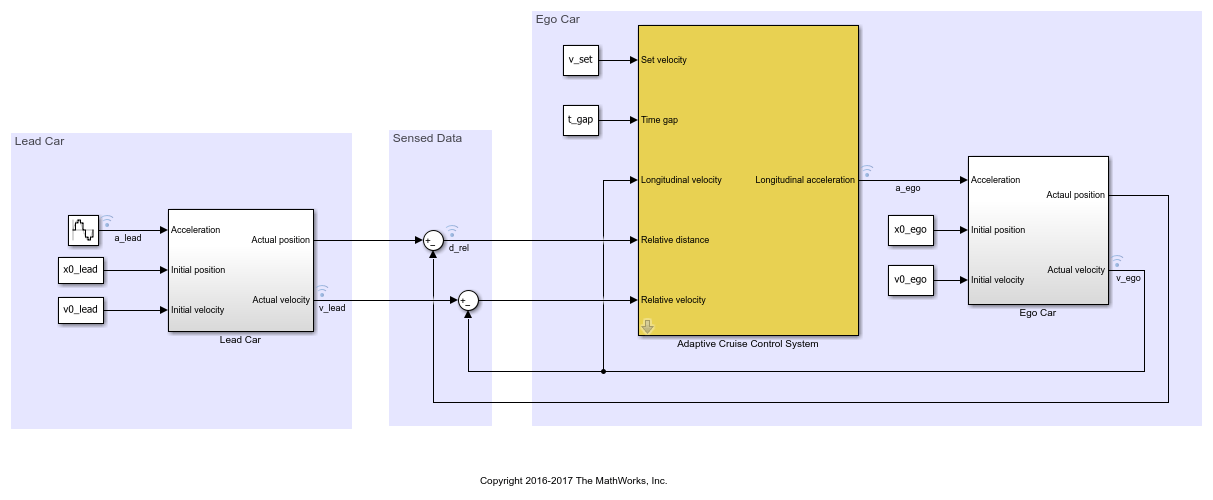
Cruise control has had a positive impact on the driving industry for 70 years and shows no signs of disappearing anytime soon. This step will vary widely based on your vehicle make and model, however, many cruise control settings are accessible from the steering wheel controls. When the car ahead slows down, so will the car fitted with adaptive cruise control.
Can all cars have cruise control installed?
There are several variations of semi-autonomous cruise control that include additional convenience features for the driver. Cruise control can be installed on manual transmission cars, but it requires a more advanced system than the one used for automatic transmissions. Manual transmission cruise control systems are typically more expensive and less common.
– Observe weather conditions
Modern cruise control systems began to emerge in the 1990s, with manufacturers incorporating more advanced digital technology into the design. Other systems such as LiDAR, radar, sonar and camera-based solutions were soon added, increasing the car’s ability to sense oncoming traffic, which in turn helped the vehicle to determine speed and avoid potential accidents. Cruise control has come a long way since first invented and patented by Ralph Teetor in 1950, who originally named it the “Speedostat”. Chrysler Corporation was the first manufacturer to offer the groundbreaking mechanism as an option on several of its luxury vehicle models nine years later. Today, cruise control is rapidly becoming the standard on all new vehicles, providing drivers with increased convenience on their daily drive. The cruise control system controls the speed of your car the same way you do -- by adjusting the throttle position.

Different types of cruise control
By pressing the appropriate button, the driver can fine-tune the desired speed for their comfort and road conditions. Cruise control is less flexible on vehicles with a manual transmission because depressing the clutch pedal and shifting gears usually disengages the cruise control. The "resume" feature has to be used each time after selecting the new gear and releasing the clutch.
Dictionary Entries Near adaptive cruise control
Cruise control systems frequently include a memory feature to resume the set speed after braking and a coast feature to reduce the set speed without braking. When the cruise control is engaged, the throttle can still accelerate the car, but once the pedal is released, it will slow down the vehicle until it reaches the previously set speed. A speed limiter is a type of speed control system that is designed to limit the maximum speed of a vehicle. Unlike other types of cruise control systems, which maintain a set speed, a speed limiter prevents a vehicle from exceeding a certain speed limit. Intelligent Cruise Control (ICC), also known as Active Cruise Control (ACC), is an advanced form of cruise controle that uses sensors and cameras to detect the distance and speed of the vehicles ahead.
Adaptive cruise control
Its surge in popularity led the brand to install a ‘Speedostat’ it in all its vehicles. It was officially christened ‘cruise control’ by General Motors when it began using it in its Cadillac vehicles. In a proportional control system, the cruise control adjusts the throttle proportional to the error, the error being the difference between the desired speed and the actual speed. So, if the cruise control is set at 60 mph and the car is going 50 mph, the throttle position will be open quite far.
This type of cruise controle is designed to help drivers reduce stress and fatigue when driving in heavy traffic conditions. The system uses sensors and cameras to detect the distance and speed of the vehicle ahead. Adaptive Cruise Control (ACC) is an advanced form of speed control that uses sensors and radar to detect the distance between the driver’s car and the vehicle ahead, unlike other types of cruise control systems. This type of cruise control automatically adjusts the speed of the vehicle to maintain a safe following distance and can even bring the vehicle to a complete stop if necessary. The system uses sensors and radar to detect the distance between the driver’s car and the vehicle ahead.
Featured posts
Some ICC systems can even detect and respond to pedestrians and other obstacles, providing an added layer of safety. Speed control existed in early automobiles such as the Wilson-Pilcher in the early 1900s. Weather conditions such as snow, rain or fog could confuse the sensors and affect the adaptive cruise control system. While driving through the city, you’ll face a number of stop lights and stop signs that will require manual braking. When engaging cruise control on the highway, ensure your lane is clear and there are no vehicles stopping ahead.
Drivers need all the help they can get - Redwood City Pulse
Drivers need all the help they can get.
Posted: Mon, 11 Mar 2024 07:00:00 GMT [source]
Speed Limiter
When traffic slows down or comes to a stop, the Stop-and-Go Cruise Control system automatically applies the brakes to bring the car to a complete stop. When the traffic ahead starts moving again, the system automatically accelerates the car to follow the flow of traffic. Some ACC systems also come with collision warning systems that alert the driver if the car gets too close to the vehicle ahead. Some systems can also detect pedestrians, animals, or other obstacles and apply the brakes if necessary. Adaptive cruise control is just a preview of the technology being developed by both companies. These systems are being enhanced to include collision warning capabilities that will warn drivers through visual and/or audio signals that a collision is imminent and that braking or evasive steering is needed.
Cruise control is a popular feature in modern vehicles that can make driving more comfortable and less stressful. There are several types of cruise control systems that drivers can choose from, depending on their driving conditions and preferences. Standard cruise control is the most basic system, which allows the driver to set a constant speed that the vehicle will maintain.
The type of cruise control fitted varies from vehicle to vehicle, so it pays to know what type of system your car has so you can understand its capabilities. There are limitations, both with adaptive cruise control and conventional cruise control. The driver must still pay attention at all times and not let their awareness drift. Weather conditions such as snow, rain or fog could also confuse the sensors and adversely affect the adaptive cruise control system.
These advanced systems are known as adaptive cruise control, intelligent cruise control, or active cruise control. A good cruise control system accelerates aggressively to the desired speed without overshooting, and then maintains that speed with little deviation no matter how much weight is in the car, or how steep the hill you drive up. Controlling the speed of a car is a classic application of control system theory.
The cruise control system controls the speed of the car by adjusting the throttle position, so it needs sensors to tell it the speed and throttle position. It also needs to monitor the controls so it can tell what the desired speed is and when to disengage. When used correctly, though, cruise control can help make driving safer and less fatiguing.
The 77-GHz Autocruise radar system made by TRW has a forward-looking range of up to 492 feet (150 meters), and operates at vehicle speeds ranging from 18.6 miles per hour (30 kph) to 111 mph (180 kph). Delphi's 76-GHz system can also detect objects as far away as 492 feet, and operates at speeds as low as 20 mph (32 kph). The most important input is the speed signal; the cruise control system does a lot with this signal. First, let's start with one of the most basic control systems you could have -- a proportional control.



No comments:
Post a Comment